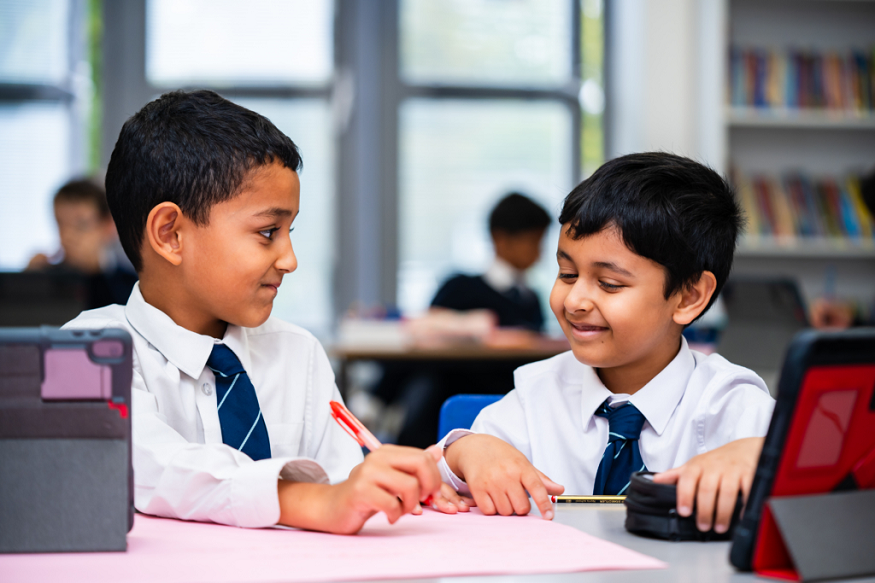
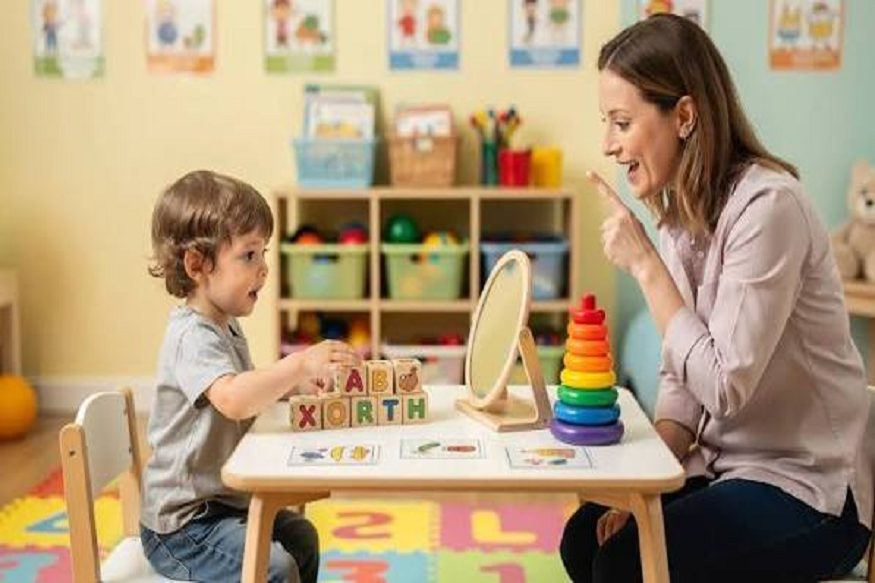
The summer holidays arrive with a rush of relief. No more early alarms, no more packed lunches, no more homework battles at the kitchen table. Yet within a fortnight, many parents notice something familiar: restlessness, boredom, and the quiet slide of skills that took a whole year to build. Teachers even have a name for it. They call it the summer slide, and it is one of the clearest reasons why home learning deserves a place in every child’s development, term time or not.
Home learning is not about recreating the classroom in your living room. It is about keeping a child’s mind curious and active during the long weeks when structured lessons pause.
The gap between June and September
Research consistently shows that children can lose a noticeable chunk of their reading and maths progress over a single summer. The effect builds year on year, which means the child who reads a little each week arrives in September steadier and more confident than the one who switched off entirely in July.
Read More: Connecting Word Meanings Through Semantic Mapping
The good news is that closing this gap does not require hours of drilling. A daily reading habit, a few practical maths moments while cooking or shopping, and the odd writing task go a long way. Consistency matters far more than intensity.
Learning that does not feel like school
Summer offers something the classroom often cannot: time and freedom. A trip to a local museum becomes a history lesson. Planting seeds turns into a science project. Keeping a holiday diary quietly builds writing skills without a single worksheet in sight.
This is where home learning shows its real value. When a child follows their own interests, they learn how to learn. They ask questions, test ideas and stay curious, which are the habits that carry them through every future stage of education.
Parents who want a little more structure often find that support makes all the difference. Working with [experienced private tutors who tailor sessions to a child’s individual pace|https://minervatutors.co.uk] can turn a few summer hours into meaningful, lasting progress, especially for children who need to catch up or stretch further before the new term begins.
Building confidence, not just knowledge
Perhaps the most overlooked benefit of home learning is emotional. A child who feels prepared for the year ahead walks through the school gates in September with their shoulders back. Confidence built at home over the summer often translates into greater willingness to participate, ask questions and take on challenges once term restarts.
That confidence is fragile, though, and it thrives on encouragement rather than pressure. The aim is a child who enjoys learning, not one who dreads it. Short sessions, plenty of praise and genuine interest in what they are exploring will do more than any rigid timetable.
A gentle rhythm for the holidays
The families who navigate summer best tend to settle into a light routine. Perhaps twenty minutes of reading after breakfast, a practical activity in the afternoon, and complete freedom for the rest of the day. It keeps the mind ticking over without stealing the rest and play that holidays are meant for.
Brands such as Minerva Tutors have long championed this balanced approach, encouraging families to weave learning into everyday life rather than treating it as a chore. The goal is never to fill every hour, but to keep the spark alive.
By the time September comes around, the difference is clear. A child who has kept learning gently through the summer returns not just remembering what they knew, but genuinely ready for what comes next. For more ideas on supporting your child through the holidays and beyond, visit https://minervatutors.co.uk.
Read More: How M.Ed. Programs Prepare Teachers for Data-Driven Instructional Design
*This article was written by the team at Minerva Tutors, a UK-based tuition service supporting families across primary, secondary and university-level education. Minerva Tutors specialises in personalised, one-to-one and online tutoring designed around each child’s needs, from confidence-building and exam preparation to home education and holiday learning.*