Every student possesses a unique combination of strengths, interests, learning speeds, and personal challenges. For decades, traditional educational systems operated under a standardized model, presenting uniform curriculum, teaching strategies, and assessment timelines to entire classrooms at once. While this traditional structure succeeded in providing broad access to education, it frequently left students struggling to keep up or bored from a lack of academic challenge. Individualized learning schools offer a transformative alternative. By reshaping the educational experience around the specific needs of each child, these schools provide an environment where students can truly reach their full academic potential.
Understanding the Foundation of Individualized Learning
Individualized learning is built on the principle that education should adapt to the student, rather than requiring the student to adapt to a rigid educational system. In a tailored learning environment, educators begin by assessing a student’s current proficiency levels, preferred learning styles, and personal interests. This comprehensive insight forms the basis of a customized educational blueprint.
Read More: A Parent’s Guide to Pastoral Care
Unlike traditional classrooms where a teacher delivers a uniform lesson to thirty students simultaneously, individualized learning environments utilize flexible pacing and multi-modal instructional strategies. Students might master mathematical concepts through visual aids and hands-on tools, while others grasp the same concepts faster through interactive problem-solving or reading. By acknowledging that learning pathways vary greatly from person to person, these schools eliminate unnecessary frustration and establish a solid foundation for genuine comprehension.
Honoring Unique Learning Pacing and Mastery
One of the most significant advantages of an individualized learning school is its departure from strict chronological progression. In conventional settings, classes move from one topic to the next based on a fixed calendar schedule, regardless of whether every student has fully grasped the material. This frequently results in significant knowledge gaps that worsen over time and impair future academic achievement.
Individualized education prioritizes mastery over rigid schedules. When a student encounters a challenging subject, the learning framework allows extra time and specialized instruction to ensure complete understanding before moving forward. Conversely, when a student demonstrates rapid mastery of a concept, they are not forced to wait for their peers. Instead, they can immediately move on to advanced material. This flexible pacing keeps advanced students engaged while ensuring that every student builds a deep, gap-free foundation in core subjects.
Developing Strong Teacher-Student Relationships
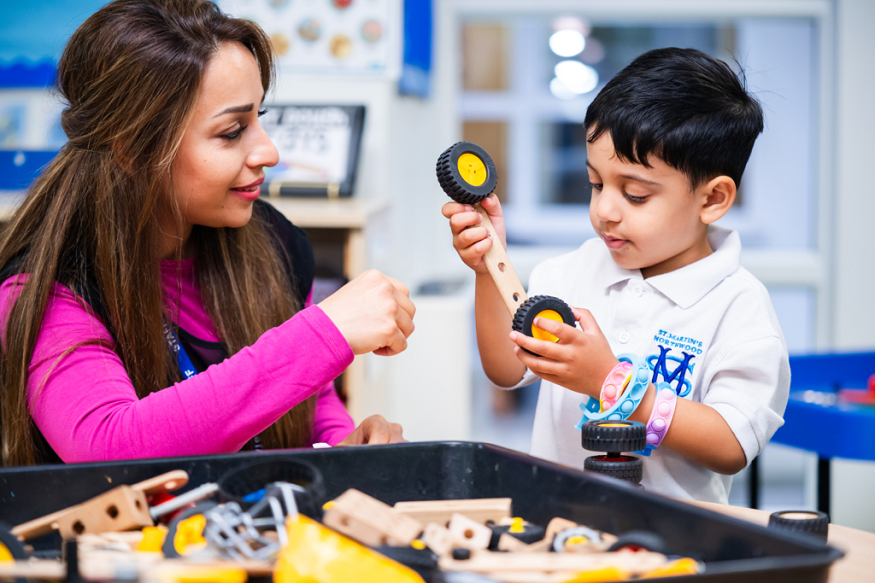
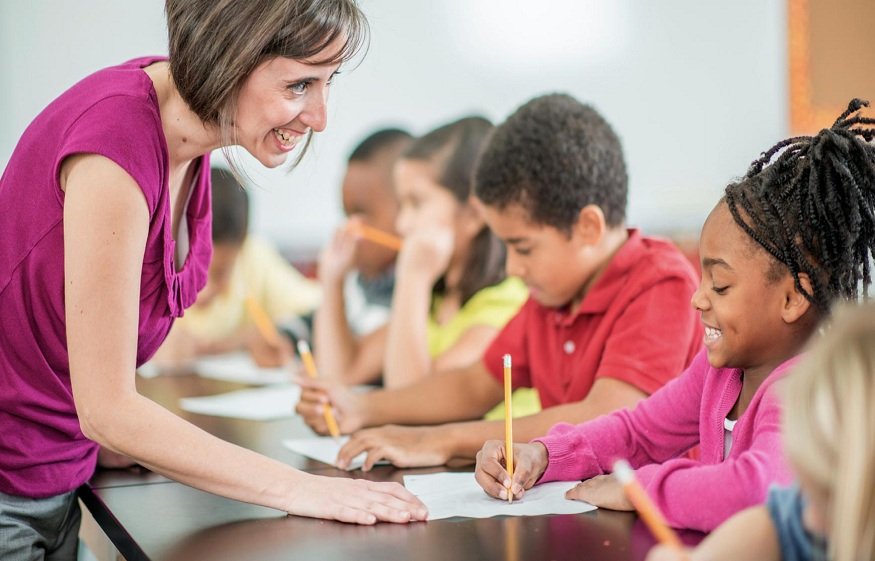
At the heart of every successful individualized learning school is a deep, supportive relationship between educators and students. Because class sizes are typically smaller and instruction is deeply personalized, teachers act more like mentors and academic guides than traditional lecturers.
This close dynamic allows educators to observe subtle changes in a student’s comprehension, emotional state, and learning momentum. Teachers can offer immediate feedback and tailored encouragement, helping students navigate academic hurdles before they become overwhelming. Furthermore, when students know that their teachers genuinely understand their individual goals and challenges, they feel safer taking academic risks, asking questions, and stepping out of their comfort zones. This supportive environment creates a strong sense of security that is essential for intellectual growth.
Cultivating Essential Life Skills Alongside Academics
Beyond raising test scores and improving subject mastery, individualized learning schools naturally foster critical life skills that extend far beyond the classroom. When students participate in setting their own goals and managing their learning schedules, they develop essential self-regulation, time management, and critical thinking skills.
Read More: Why Passion Matters in a Child’s Development
In an individualized setting, students learn to reflect on their own progress, identify areas where they need assistance, and advocate for their own learning needs. They discover how to approach complex problems independently and evaluate their own work critically. These foundational capabilities prepare students not only for higher education, but also for navigating modern career paths that demand self-direction, adaptability, and continuous learning.
Conclusion
Every student deserves an education that recognizes their unique capabilities and nurtures their full potential. Traditional one-size-fits-all educational models often struggle to meet the diverse needs of modern learners, leaving many students either overwhelmed or understimulated. Individualized learning schools bridge this gap by offering a flexible, student-centered approach that honors personal pacing, aligns with diverse learning styles, and leverages individual passions.
By cultivating deep teacher-student mentorships and promoting self-reliance alongside academic mastery, these schools do not simply help students achieve higher grades. They empower young minds with the confidence, critical skills, and enduring curiosity required to reach their highest potential in all future endeavors.